


How Gensets Keep Telecommunication Base Stations Running During Power Outages
Views: 0 Author: Site Editor Publish Time: 2026-08-30 Origin: Site


When unexpected grid failures occur, network outages directly cause revenue losses and brand‑reputation damage for telecom operators. End-users expect reliable connectivity from local networks. Repeated service disruptions can lead to customer dissatisfaction, increased churn risk, and potential reputational damage for operators.
On‑site battery banks handle short‑term power interruptions well, yet they drain rapidly during severe storms or major infrastructure damage. Extended blackouts require robust fuel‑powered generators to keep networks operational and deliver sufficient power for prolonged crisis scenarios. Relying solely on utility grid power leaves your infrastructure exposed to serious risks.
This article serves as a comprehensive technical and procurement evaluation guide. It explains how to integrate generator systems into cell‑site infrastructure for seamless failover. You will learn practical sizing methodologies, advanced hybrid architectures and full‑lifecycle management strategies to ensure continuous operation under extreme conditions and easily meet stringent service‑level agreements.
Key Takeaways
Failover Sequence: Generators act as the tertiary power tier. When grid power is lost and UPS batteries drop to pre‑defined discharge thresholds, Automatic Transfer Switches (ATS) enable seamless handover to generator power.
Precision Sizing Required: Proper generator sizing must factor in peak radio‑equipment loads plus auxiliary systems such as HVAC. This mitigates risks from under‑sizing, as well as “wet stacking” issues caused by over‑sizing.
Hybrid Systems Are the New Standard: Modern enterprise‑grade deployments increasingly pair generators with solar arrays and lithium‑ion battery banks to cut fuel consumption and satisfy emissions compliance requirements.
Backup‑Power Architecture for Telecom Cell Sites
Modern telecom base stations depend heavily on stable utility‑grid electricity. Cell‑tower sites consume large volumes of power round‑the‑clock. Rectifiers continuously convert incoming AC power into usable DC power. Baseband units process massive volumes of complex signal data every second, while remote radio heads transmit those signals across wide geographic areas. High‑capacity cooling systems prevent catastrophic thermal shutdowns. With a properly designed power system, the transfer can occur quickly enough to minimize service disruption and maintain critical network functions.
Upon sudden grid outages, cell sites activate a fully automated protective system. Engineers commonly implement a highly reliable three‑tier power architecture.
Tier 1 (Utility Grid): The primary AC power source, carrying all routine loads under normal operating conditions.
Tier 2 (Batteries & UPS): Delivers instant DC power transfer. Valve‑Regulated Lead‑Acid (VRLA) or modern lithium‑ion batteries activate immediately, typically sustaining site operation for 2‑8 hours. Exact runtime depends on the criticality of each individual site.
Tier 3 (Backup Generation): Provides long‑term AC power generation. Units start automatically to recharge depleted batteries and safely sustain full‑site operation through multi‑day outages.
The Automatic Transfer Switch (ATS) orchestrates this entire seamless power transition via precise mechanical and software coordination. It effectively blocks hazardous electrical surges and protects sensitive base‑station hardware from damaging voltage fluctuations during switching. End‑users notice no disruption, and no calls are dropped throughout the whole process.
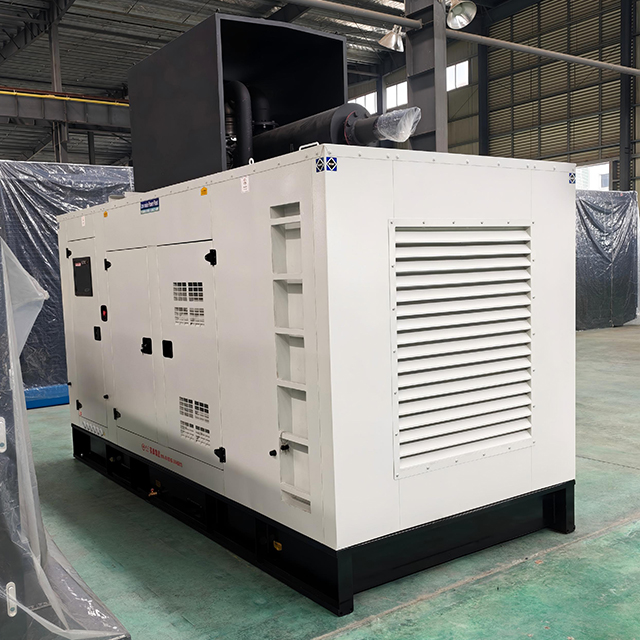
Evaluating Genset Types for Telecommunication Base Stations
Choosing the right Gensets dictates your long-term network reliability. Infrastructure managers must evaluate highly specific site needs before purchasing. We routinely deploy different fuel solutions based entirely on geography, environmental laws, and local fuel availability.
Diesel-Powered Units
Diesel remains a widely used option for remote backup power.It offers incredibly high energy density per gallon. You get proven mechanical reliability in harsh, unforgiving environments. Fuel delivery networks exist almost everywhere globally. However, diesel presents distinct operational challenges. The fuel degrades naturally over time due to microbial growth. It requires frequent chemical polishing. Remote cell sites also face significant physical fuel theft risks. Additionally, diesel emissions generally run much higher than alternative fuels.
Natural Gas and Propane (LPG) Alternatives
Gas-powered units offer highly compelling operational advantages. Piped natural gas provides a continuous, limitless fuel supply during standard blackouts. You never worry about stale fuel degradation or dispatching refueling trucks. Engines run significantly cleaner and require less aggressive internal maintenance. Unfortunately, they depend heavily on local underground pipeline infrastructure. Earthquakes or severe freezes can disrupt this supply abruptly. Propane sidesteps the pipeline issue but requires large on-site storage tanks. These bulky tanks consume valuable, expensive real estate at suburban macro towers.
Enterprise-Grade Hybrid Systems
Modern telecommunication networks increasingly adopt intelligent hybrid architectures. You integrate backup engines directly with solar arrays and high-capacity battery banks. Under this configuration, the generator can operate intermittently based on site load and battery state of charge. It starts when additional power is required, charges the battery bank, and shuts down when the required charge level is reached. This approach can reduce fuel consumption and engine operating hours. It may also help operators meet applicable emissions requirements and extend generator service intervals.
Comparison of Backup Power System Types
Power System Type | Primary Engineering Advantage | Main Operational Limitation | Ideal Deployment Scenario |
|---|---|---|---|
Diesel Engine | Maximum energy density and torque | Fuel degradation and high emissions | Rural and highly remote cell sites |
Natural Gas | Limitless, continuous fuel supply | Strict dependency on pipeline safety | Urban centers with stable infrastructure |
Propane (LPG) | Infinite fuel shelf life | Large physical tank footprint | Suburban macro towers |
Hybrid Setup | Drastically reduced engine wear | High initial integration complexity | Enterprise green-energy initiatives |
Critical Procurement Parameters and Sizing Criteria
When evaluating Gensets, engineers must calculate exact site requirements perfectly. Guesswork leads directly to catastrophic hardware failures or wasted capital. You need a highly methodical approach to system sizing to guarantee resilience.
Accurate Load Profiling
You must calculate critical versus non-critical loads carefully. Critical loads maintain your fundamental transmission gear and baseband processing. Non-critical loads include auxiliary site lighting or optimized HVAC startup currents. The absolute golden rule of thumb dictates sizing the equipment perfectly. You should size the engine to run at 60% to 80% of its total rated capacity. This operational sweet spot ensures maximum fuel efficiency. It also maintains excellent long-term engine health by generating sufficient internal combustion heat.
Standard Load Profiling Matrix
Load Category | Equipment Examples | Priority Level | Failover Strategy |
|---|---|---|---|
Primary Critical | Rectifiers, Baseband Units, Radios | Highest | Instant UPS to Engine transfer |
Secondary Critical | HVAC systems, Thermal cooling | High | Staggered start to prevent surges |
Non-Critical | Perimeter lighting, Auxiliary outlets | Low | Load-shedding during fuel shortages |
Environmental and Spatial Constraints
Physical footprint dictates many complex procurement decisions. Urban rooftop sites face severe structural weight and space limitations. You cannot place a heavy 500-gallon tank on an older building. Rural macro-cell towers offer ample room but face extreme weather exposure. You must evaluate heavy-duty acoustic enclosures strictly. Vibration isolators prevent structural damage to commercial buildings. These measures can help reduce noise and vibration and support compliance with applicable municipal requirements.
Telematics and Remote Monitoring
Limited visibility can increase the risk of undetected equipment problems. Remote monitoring helps operators identify developing issues and reduce unplanned downtime.You must mandate Simple Network Management Protocol (SNMP) integration into your power units. SNMP allows you to monitor critical mechanical metrics remotely. A centralized Network Operations Center (NOC) tracks everything in real-time. They monitor current fuel levels, oil pressure, and battery health continuously. They also verify routine test-run statuses without rolling expensive dispatch trucks.
Implementation Risks and Lifecycle Management
Deploying the hardware is only the very first step. Ongoing rigorous management ensures the system actually works during widespread emergencies. You must anticipate mechanical degradation and logistical risks actively.
The Threat of "Wet Stacking"
Running diesel engines under very light loads creates massive internal problems. Unburned fuel and heavy carbon build up rapidly in the exhaust system. Industry mechanics call this dangerous phenomenon "wet stacking." It degrades overall performance and ruins internal engine components quickly. You mitigate this serious risk via routine load bank testing. Technicians apply a large artificial electrical load. This forces the engine to run hot and burn off accumulated carbon safely.
Fuel Management and Security
Regional natural disasters disrupt local fuel supply chains entirely. You face immense logistical challenges during severe hurricanes or winter blizzards. Fuel-delivery contracts should include clear priority provisions and defined response times for emergency situations.Stagnant diesel requires periodic chemical polishing. Polishing removes harmful water buildup. It prevents aggressive algae and thick sludge from clogging vital engine fuel filters. Furthermore, remote locations require strict physical security measures. Heavy-duty tamper-proof locks and motion cameras deter vandalism and fuel theft effectively.
Routine Testing Protocols
Engines must exercise regularly to remain reliable. Sitting idle destroys mechanical readiness. You should mandate automated weekly unloaded exercises. These short 15-minute runs circulate internal oil and verify starter battery health. Monthly loaded tests prove the system can actually handle full site demands. This routine helps verify generator readiness and identify potential problems before an actual outage. Testing should be planned to minimize any impact on live network operations.
Shortlisting Logic for Infrastructure Managers
Network managers must allocate maintenance budgets intelligently across thousands of individual towers. You simply cannot afford permanent backup power at every single location. A strategic decision framework guides these critical deployments.
Aligning with Site Criticality
You must determine which specific locations require permanent standby solutions. Hub sites and high-traffic urban macros demand fixed installations. They route massive amounts of data for surrounding smaller sites. If a hub falls, dozens of sub-sites go dark instantly. Conversely, edge sites or low-traffic rural areas tolerate different approaches. You can service them adequately with mobile or towable backup units deployed post-disaster.
Compliance and Emission Standards
Global environmental regulations grow stricter every single year. You must verify Tier 4 Final compliance (or strict local equivalents) when purchasing new equipment. These systems utilize Selective Catalytic Reduction (SCR) and Diesel Particulate Filters (DPF). Clean-running engines avoid hefty municipal air-quality fines. They also align with your corporate sustainability mandates perfectly.
Vendor SLA Scrutiny
Examine third-party maintenance agreements with extreme caution. Heavy hardware breaks eventually. You need guaranteed, immediate vendor response times. Pay incredibly close attention to mean-time-to-repair (MTTR) metrics in your contracts. Demand guaranteed emergency parts availability within 24 hours. A strong, legally binding service level agreement saves your network during widespread regional crises.
Conclusion
Deploying robust backup power at cell sites represents a vital strategic infrastructure investment. It is never merely a simple hardware transaction. You must integrate complex electrical engineering, rigorous fuel logistics, and remote software management perfectly. The failover process must happen invisibly to protect the end-user experience.
Stakeholders should audit their current backup power durations immediately. Reassess your peak electrical site loads accurately to prevent overload failures. Consult actively with specialized power infrastructure vendors today. They can help you design a reliable, compliance-ready backup power architecture. Proactive planning can reduce the risk of service disruption during future grid outages.
FAQ
Q: How long can a telecommunication base station run on a genset during a power outage?
A: Duration is strictly limited by the on-site fuel capacity and the delivery supply chain. A standard 200-gallon diesel tank running at a 75% load can typically sustain a macro site for 48 to 72 hours before requiring refueling.
Q: Will equipment restart or drop calls when the genset turns on?
A: No. The site's UPS battery bank handles the load instantaneously when the grid fails. The genset takes 10 to 30 seconds to start and stabilize, after which the ATS safely transfers the load, ensuring zero interruption to the radio equipment.
Q: Why use diesel gensets instead of relying entirely on lithium-ion batteries?
A: While battery technology is improving, sizing a battery bank to support a base station for multiday outages is currently cost-prohibitive, space-restrictive, and weight-prohibitive for many sites. Gensets provide a necessary, scalable energy bridge for prolonged emergencies.
Q: What is the most common cause of genset failure at remote cell sites?
A: The most common failures stem from deferred maintenance, specifically dead starter batteries, degraded fuel (clogged filters), and failure to conduct routine load bank testing.


