


Disaster Relief Power Supply: Fast‑deployed Containerized Diesel Generators
Views: 0 Author: Site Editor Publish Time: 2026-09-20 Origin: Site


In disaster scenarios like hurricanes, earthquakes, or severe grid failures, you face immense pressure. The primary bottleneck isn't just generating raw power. It is transporting, protecting, and commissioning high-capacity power within a crucial 24-to-48-hour window. Standard open-skid or light-commercial canopies often fail spectacularly in these extreme weather events. They also require complex, time-consuming site preparation. For municipal responders, critical facilities, and industrial disaster recovery efforts, ISO-standard containerized diesel generators represent the most reliable temporary power generator solution. They offer true plug-and-play deployment. You get superior environmental protection and highly scalable output. When the grid collapses completely, this standardized form factor bridges the gap between total chaos and organized recovery. We will explore how these robust systems handle harsh deployment realities. You will learn what evaluation criteria matter most for your fleet. We will also discuss how to select the right equipment partner for critical emergency response.
Key Takeaways
Standardized Logistics: ISO-certified containers (20ft/40ft) allow immediate freight via standard truck, rail, or ship without specialized oversize permits.
Turn-Key Commissioning: Rapid deployment generator sets integrate fuel tanks, switchgear, and cooling systems into a single stackable footprint, reducing setup time from weeks to hours.
Operational Resilience: Heavy-duty outdoor generator enclosures protect critical components from debris, floods, and extreme temperatures, ensuring uptime when it matters most.
Vendor Due Diligence: Selecting an emergency diesel generator supplier requires evaluating not just the hardware, but their proven logistical network and post-deployment service agreements.
The Operational Realities of Disaster Relief Power Supply
When standard logistics routes collapse, your equipment must be inherently rugged. It must remain entirely self-contained. The massive infrastructure gap during major crises severely limits your transportation options. Standard skid-mounted units struggle immensely in harsh environments. Flying debris, heavy water ingress, and uneven terrain easily damage unprotected alternators. Control panels short circuit without proper shielding. These fragile setups demand specialized hauling trailers. They require extensive, time-consuming site prep before operation. You cannot afford such delays during critical response operations. Therefore, adopting a hardened disaster relief power supply becomes mandatory for seamless, reliable recovery.
Why the ISO Container Standard Matters
Using standard ISO container dimensions changes your entire deployment timeline. You eliminate the pressing need for heavy, customized transport logistics. Consider these structural advantages:
Global Shipping Compatibility: Securing CSC (Convention for Safe Containers) certification is vital. It allows a seamless transition from port ships straight to standard flatbed trucks. You avoid waiting for cumbersome oversize load permits. Drivers hook up and drive immediately.
Space Efficiency: Stackable, all-in-one generator designs save crucial staging space. Agencies can easily stage massive MW-scale power arrays in extremely tight footprints. Think of FEMA staging areas. Every square foot counts when staging supplies, medical tents, and communication arrays.
Protection & Durability
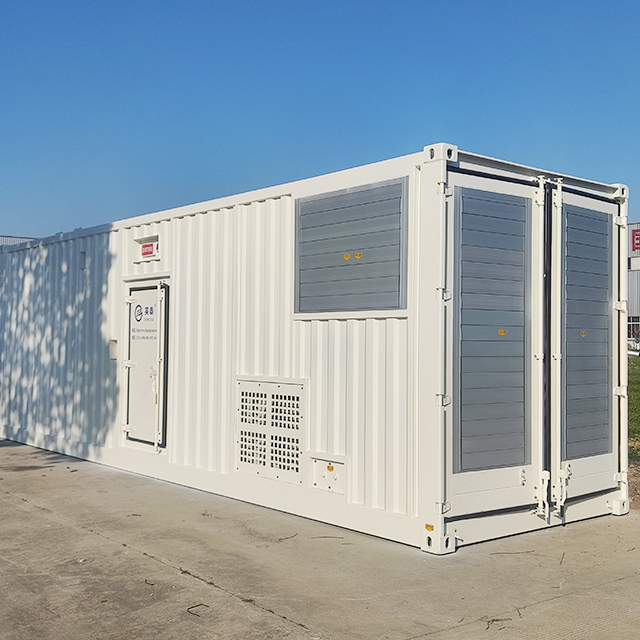
A specialized outdoor generator enclosure does much more than look tough. It actively prevents water ingress during torrential rain or sudden floods. Dust contamination ruins sensitive engine intakes. Severe-duty filtration stops this particulate matter. The thick corrugated steel walls prevent catastrophic impact damage. Rough handling happens during turbulent deployment. Cranes bump units. Trucks navigate ruined roads. Rugged enclosures keep your prime power running no matter the external chaos.
Key Evaluation Criteria for Containerized Diesel Generators
Not all enclosed power systems perform equally under pressure. Evaluating the exact right specifications ensures you deploy reliable power when lives depend on it.
Capacity and Scalability (Paralleling)
You must rigorously evaluate single-unit output versus modular paralleling. Syncing multiple mobile containerized generator units offers massive operational advantages. It is far safer and much more flexible. Relying on one massive, immovable turbine creates a single point of failure. If one engine requires sudden maintenance, the other paralleled units seamlessly carry the critical load. You can quickly scale power capacity up or down. Relief camp power needs fluctuate wildly from day to night. Paralleling handles this perfectly.
Power Configuration Comparison
Feature | Modular Paralleling Setup | Single Massive Turbine |
|---|---|---|
Redundancy | High (Others carry the load if one fails) | Low (Single point of failure) |
Scalability | Excellent (Add or remove units as needed) | Poor (Fixed maximum output) |
Transportability | Easy (Standard flatbed trucks) | Difficult (Requires oversize permits) |
Maintenance | Serviced individually without downtime | Requires total system shutdown |
Fuel Autonomy and Flexibility
Disasters disrupt regional fuel supplies almost immediately. Your system must survive these delivery gaps. Internal base fuel tank capacities should target 12-to-24-hour full-load run times. This extended runtime provides a crucial buffer before tanker trucks arrive.
Risk mitigation demands alternative fuel planning. Evaluating bi-fuel options hedges against localized diesel shortages. Some units mix diesel and natural gas. If diesel supply chains fail entirely, natural gas lines might still function underground. This flexibility prevents catastrophic darkouts.
Acoustic & Environmental Compliance
Heavy-duty generators are inherently noisy. However, strict sound attenuation requirements often dictate deployment locations. You might need sound levels at or below 75 dB(A) at 7 meters. Deploying near field hospitals requires this acoustic control. Residential relief camps also mandate strict noise suppression for sleeping populations.
Urban disaster zones require clean air. Your units should strictly meet Tier 4 Final or Stage V emission standards. Heavy black smoke creates dangerous secondary health hazards. Displaced populations already face severe respiratory stress.
Implementation Risks: Deployment & Commissioning
Even the best equipment fails if improperly deployed. You must address harsh field realities immediately upon arrival. Rapid commissioning demands precision and foresight.
Site Preparation Realities
Addressing ground stability is your very first challenge. Containerized units require minimal prep compared to permanent concrete pours. You can use a simple hardstand or compacted gravel. Concrete pads are not strictly necessary during an emergency. However, strict leveling remains critical. Uneven surfaces cause severe engine vibration. They lead to uneven fuel pooling inside the base tank. This eventually causes structural fatigue. Always verify site grading before the crane drops the container. A few degrees off-level ruins engine mounts over time.
Interconnection & Cable Management
Deployment speed relies on how fast you can connect electrical loads. External quick-connect camlocks are absolutely vital. They define a true rapid deployment generator set. They allow field technicians to plug in thick cables instantly. You must avoid hardwiring delays during emergencies. Stripping heavy-gauge wires and tightening lugs wastes precious hours. Quick-connect panels eliminate this dangerous bottleneck entirely. They also reduce electrocution risks for stressed responders.
Cold Start & Load Step Acceptance
Can your system take the sudden hit? You must evaluate verifiable load-acceptance data beforehand. The generator must handle sudden, massive electrical surges instantly. For example, municipal water treatment pumps often turn on simultaneously. If the engine stalls during this massive load step, the entire micro-grid drops again. Modern controllers must manage these transient responses flawlessly. A stalled engine during a crisis creates unnecessary panic.
Selecting a Containerized Generator Manufacturer and Partner
Buying raw equipment is wildly insufficient for actual disaster preparedness. You need a dedicated, highly responsive partner to ensure lifecycle readiness.
Hardware vs. Lifecycle Support
An unmaintained generator becomes a massive dead weight during a storm. Hardware requires constant testing, fluid management, and software updates. This is exactly why partnering with a proven emergency diesel generator supplier makes the difference. They provide the necessary support framework. They don't just drop off a box and leave. They ensure your fleet stands ready 365 days a year.
Supplier Evaluation Checklist
Evaluate potential partners using strict, uncompromising criteria. Demand transparency before signing any contracts.
Manufacturing Tolerances: Ask if they build custom ISO containers from scratch or just retrofit used shipping containers. A genuine containerized generator manufacturer builds custom frames. Custom builds offer vastly superior structural integrity. Heavy engine blocks destroy weak, retrofitted wooden floors during transit. Custom enclosures feature reinforced steel cross-members.
Testing Protocols: Always demand extensive factory acceptance testing (FAT) documentation. This must include deep transient response data. Extended load-bank testing proves the cooling system works under continuous, grueling strain. Never accept equipment without this proof.
Emergency Support Services: Does the supplier offer rapid-response service level agreements (SLAs)? Ask them directly about their emergency fueling logistics network. Remote telemetry monitoring is also essential. It allows off-site technicians to diagnose faults before they cause total failures in the field.
Conclusion
Containerized diesel generators bridge a vital, life-saving gap. They sit perfectly between permanent power plants and vulnerable portable units. They offer the necessary ruggedness and logistics compatibility for intense disaster recovery operations. Standardized shipping formats make them invaluable for rapid municipal deployment.
Strategic planners must shift their mindset today. Move away from reactive procurement and eagerly embrace proactive staging. Waiting for a hurricane to form guarantees logistical failure. Pre-staging equipment saves lives.
Take immediate action now. Encourage your procurement teams to request specific technical specifications today. Review the paralleling capabilities of modern generator fleets. Initiate detailed capacity planning consultations before the next major outage occurs. Your community depends on this readiness.
FAQ
Q: How fast can a containerized diesel generator be deployed?
A: If pre-staged, deployment takes merely hours. This rapid timeline includes standard transit time and plugging in camlock quick connects. Conversely, non-containerized units often require heavy crane rigging. They also demand complex, time-consuming field wiring before they can generate a single watt of usable power during a crisis.
Q: Do containerized generators require a concrete pad?
A: No. While poured concrete is ideal for permanent installations, it is rarely feasible during crises. The rigid structural frame of ISO containers handles rough terrain exceptionally well. It allows safe deployment directly onto compacted earth, crushed gravel, or standard asphalt during active emergency response operations.
Q: Can these generators operate in extreme weather conditions?
A: Yes, they excel in harsh climates. The enclosure typically features motorized louvers and specialized motorized dampers. Built-in block heaters actively prevent freezing. These engineered systems effectively mitigate heavy snow, torrential rain, and dangerous sub-zero temperatures to maintain constant, reliable uptime.
Q: What is the difference between a retrofitted shipping container and a custom-built generator enclosure?
A: Custom-built enclosures are engineered specifically for exact acoustic attenuation. They feature structural load-bearing floors designed explicitly for heavy engine blocks. They also ensure optimal airflow. Retrofits often suffer from dangerous acoustic resonance, poor ventilation, and severe structural fatigue over time due to inadequate floor bracing.


